Description
Bambu Lab PA6-CF Black is a carbon fiber reinforced PA6 (Nylon 6) engineering filament built for structural strength, high stiffness and thermal resistance. It is designed for demanding technical applications where standard PLA, PETG or ABS are not enough.

This is not a beginner filament. Instead, it is made for advanced users, engineers, workshops and professional 3D printing environments in Cyprus that need strong fixtures, clamps, automotive parts and durable engineering components in dry conditions.
Why Choose Bambu Lab PA6-CF Black
Bambu Lab PA6-CF combines Nylon 6 with carbon fiber reinforcement, so it delivers much higher stiffness and strength than standard engineering filaments in dry environments. Because of that, it is a serious option for users who need structural integrity, dimensional control and reliable mechanical performance.
As a result, this material is well suited for engineering applications where parts must carry load, resist vibration and tolerate elevated temperatures.
Superior Strength and Stiffness
Bambu Lab presents PA6-CF as a high-performance filament for dry-state strength and stiffness. The material reaches 151 MPa bending strength and 5460 MPa bending modulus in the dry state, which makes it an excellent choice for load-bearing structural components. :contentReference[oaicite:3]{index=3}
Therefore, engineers and advanced makers often use it for brackets, machine parts, fixtures, clamps and structural supports where rigidity matters more than flexibility.


Toughness and Vibration Resistance
In addition to stiffness, PA6-CF offers strong impact performance and vibration resistance. Bambu Lab specifically highlights this material for parts that must withstand impact, collision and vibration, which makes it valuable for mechanical assemblies and technical equipment.
Consequently, it works well for automotive components, workshop tools and structural parts exposed to repeated movement or mechanical shock.
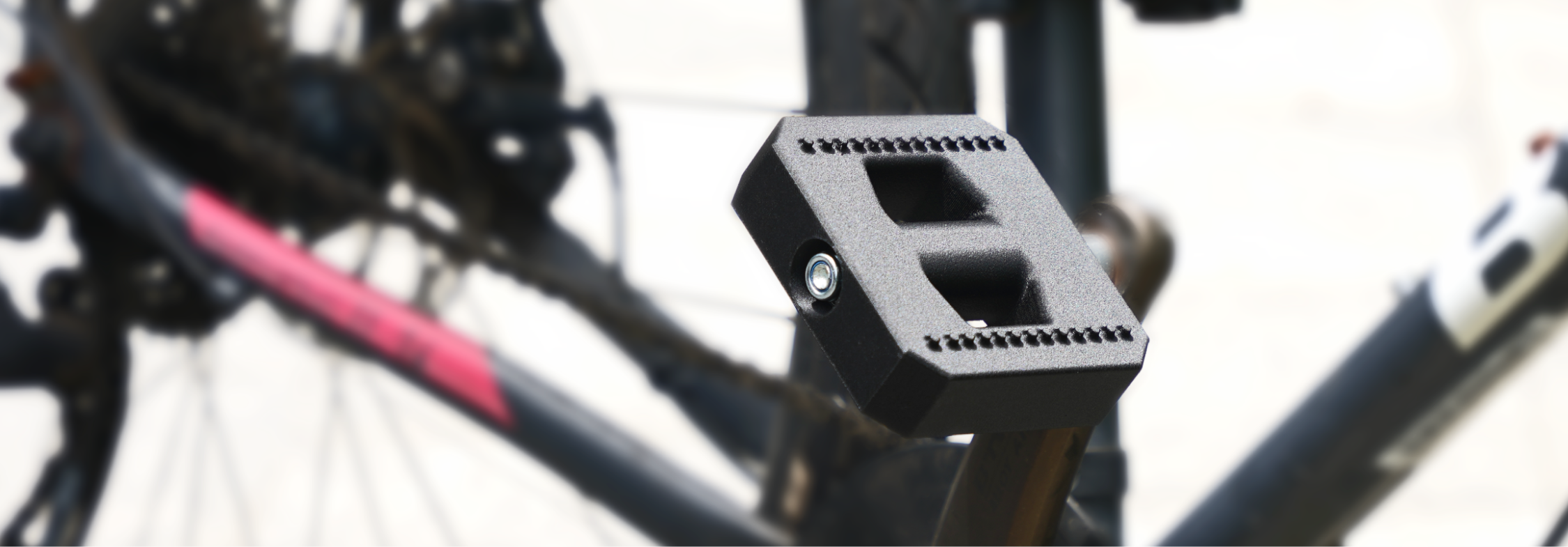
Exceptional Thermal Resistance
One of the biggest advantages of PA6-CF is its heat resistance. Bambu Lab lists a heat deflection temperature of 186°C and a Vicat softening temperature of 212°C, which places it far above standard consumer materials such as PLA, PETG, ABS and ASA for thermal performance.
Because of this, users can choose PA6-CF for parts that operate in warmer environments or near heat sources where ordinary filaments would deform too easily.

Best Engineering Uses for PA6-CF
Bambu Lab positions PA6-CF for fixtures, clamps, automotive parts, mechanical components and structural engineering parts used in dry environments. This makes it a highly relevant material for workshops, production support tools and custom machine accessories. :contentReference.
- Fixtures and jigs
- Clamps and holders
- Automotive and mechanical parts
- Structural supports
- Engineering prototypes
- High-temperature technical components
However, this filament performs best in dry environments. Once it absorbs moisture, the balance of properties changes, so it is less suitable for parts that require maximum stiffness and dimensional stability after becoming damp. :contentReference.
Moisture Sensitivity and Dry-State Performance
PA6-CF is highly sensitive to humidity. Bambu Lab advises users to dry the filament before printing and after storage, because moisture directly affects print quality and mechanical behavior. In dry condition, the filament delivers its highest stiffness and strength. After absorbing water, it becomes tougher but less stiff. :contentReference.
Therefore, if your part depends on maximum rigidity and dimensional stability, you should keep the filament dry and use it in applications where dry-state performance matters most.
Recommended Printing Settings
- Drying before printing: 80 °C for 8–12 hours
- Printing and storage humidity: below 20% RH in a sealed container with desiccant
- Nozzle temperature: 260–290 °C
- Bed temperature: 80–100 °C with glue
- Printing speed: below 100 mm/s
- Printer type: enclosure recommended
- Nozzle: hardened steel recommended, stainless steel not recommended
- AMS compatibility: all AMS series not compatible
Furthermore, Bambu Lab notes that support structures should be removed within two hours when printing supported models, because moisture can make supports more difficult to remove later. It also recommends waterproof coatings such as paint or wax when users want to reduce water absorption on finished parts. :contentReference.
Physical and Mechanical Performance
According to Bambu Lab, PA6-CF has a density of 1.09 g/cm³, melting temperature of 223°C, tensile strength of 102 ± 7 MPa, bending modulus of 5460 ± 280 MPa and impact strength of 40.3 ± 2.5 kJ/m². These values support its role as a true engineering filament rather than a decorative printing material. :contentReference.
Delivery Across Cyprus
This engineering nylon carbon fiber filament is available for delivery across Cyprus, including Nicosia, Limassol, Larnaca, Paphos and Famagusta.
FAQ About Bambu Lab PA6-CF Black
Is Bambu Lab PA6-CF suitable for beginners?
No. This is an advanced engineering nylon carbon fiber filament that requires careful drying, controlled humidity and a suitable nozzle setup.
Why use PA6-CF instead of regular filaments?
Users choose PA6-CF when they need very high stiffness, strong dry-state performance, vibration resistance and thermal resistance for structural or technical parts.
Is Bambu Lab PA6-CF good for structural parts?
Yes. In dry environments, it is highly suitable for fixtures, clamps, automotive components and load-bearing engineering parts.
Can I use PA6-CF with AMS?
No. Bambu Lab lists all AMS series as not compatible with PA6-CF. :contentReference[oaicite:11]{index=11}
Is Bambu Lab PA6-CF Black available in Cyprus?
Yes. This product is available for engineering and professional 3D printing users across Cyprus.
Related Links
Bambu Lab PA6-CF Black is a carbon fiber reinforced Nylon 6 filament for engineering use in Cyprus. It is designed for strong, stiff and heat-resistant structural parts in dry environments and is best suited for advanced users who need professional mechanical performance.